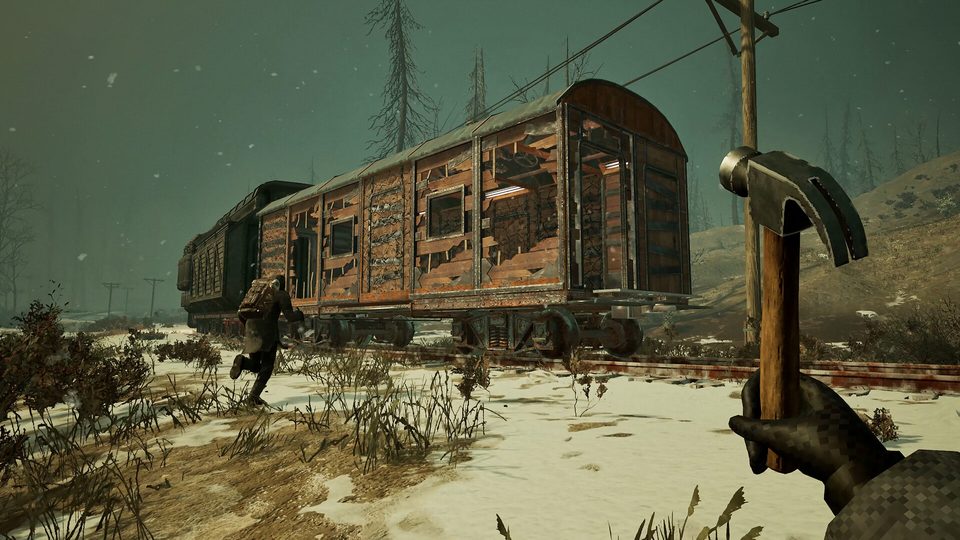
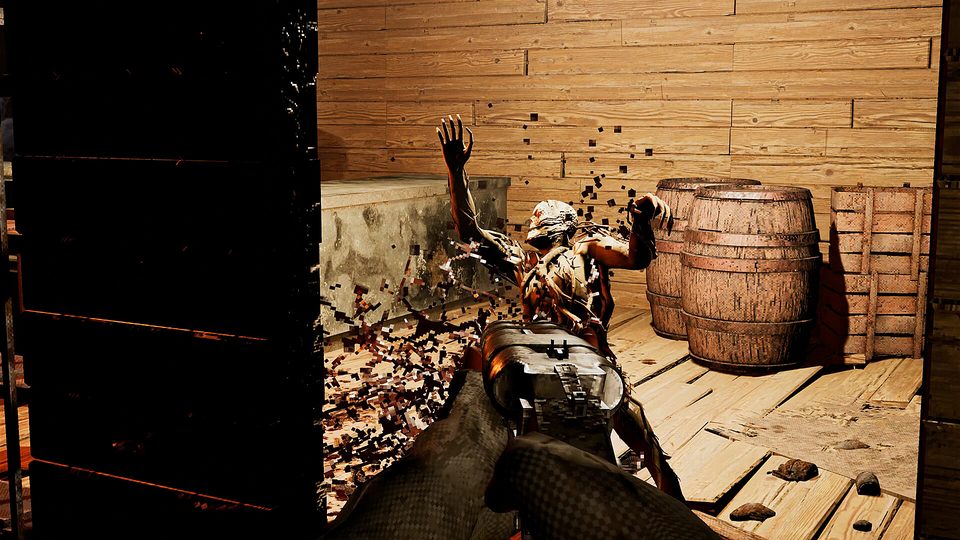
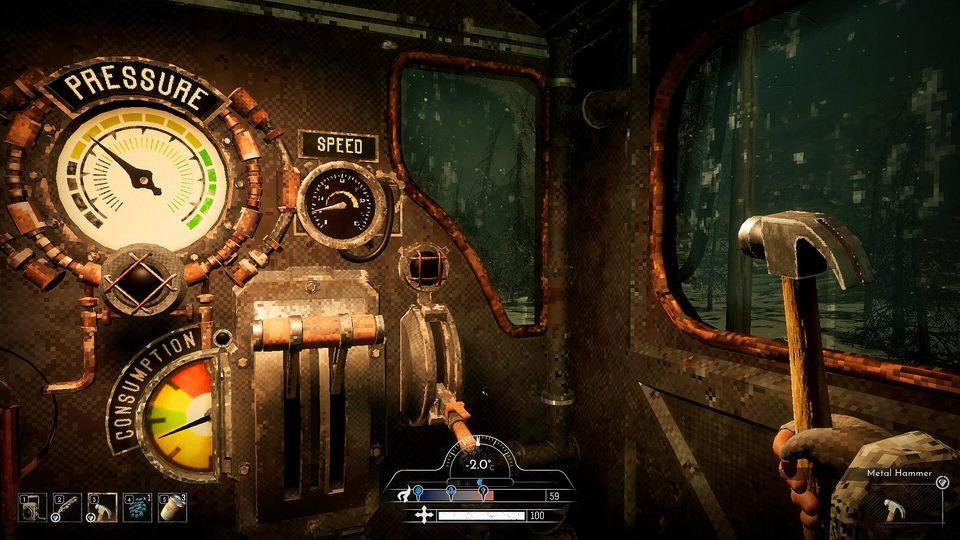
Survival systems: warmth, cold, stamina
Warmth drains whenever you leave the train's heat and is the main cause of failed runs. Cold resistance from clothing slows it, blizzards blind and slow you, and stamina limits both fighting and escaping. Turn back with a third of the bar left.
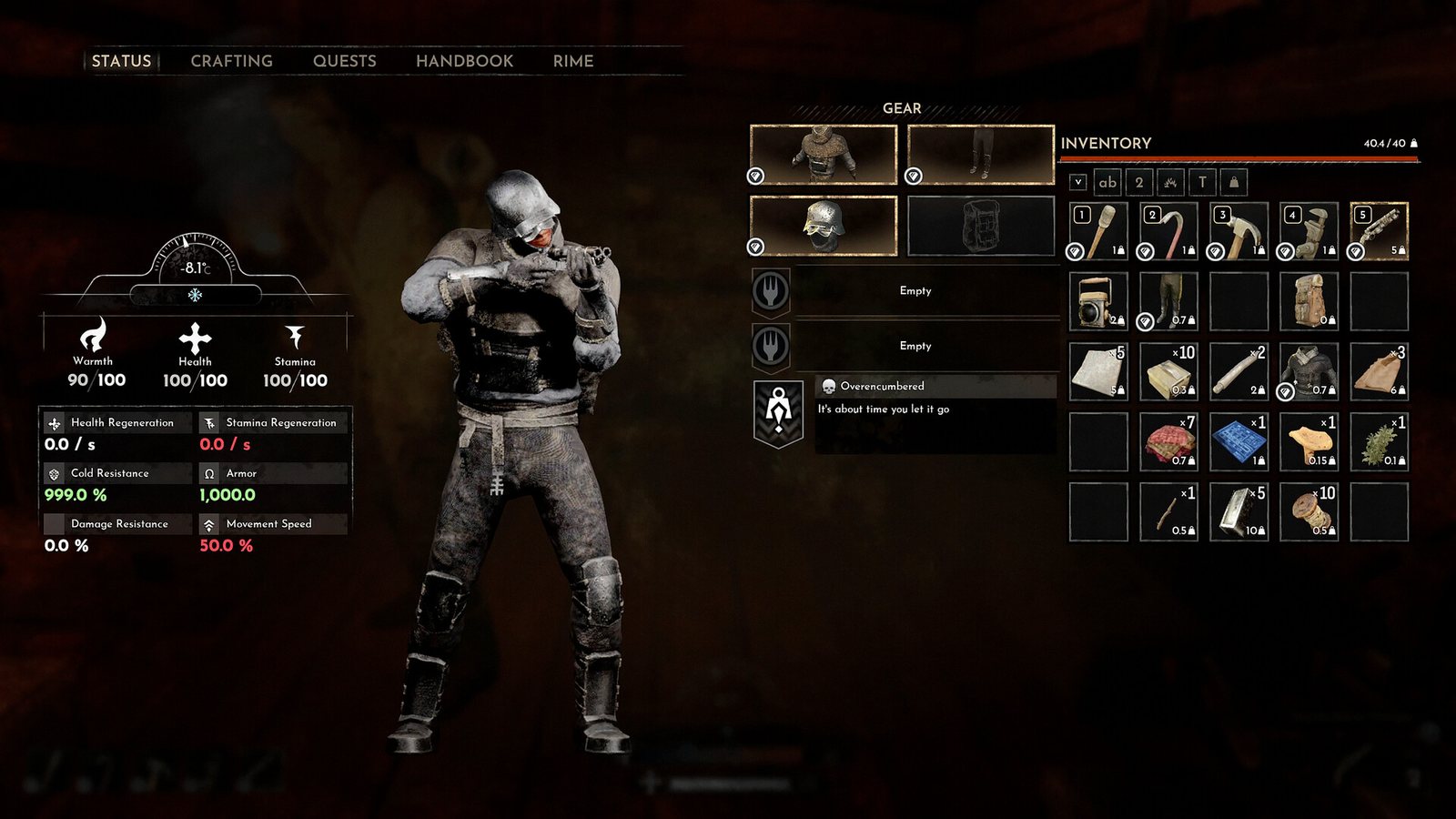
Frostrail's survival layer is built on one number: warmth. It drains outside the train, it is refilled by heat and clothing, and it is the reason the train matters more than any weapon. Cold resistance, stamina and carrying capacity all exist to slow that drain or to let you survive the trip back. Blizzards are the escalation — they blind, slow and suffocate.
The four systems that decide whether you live
| System | What it does | Where you see it |
|---|---|---|
| Warmth | Drains outdoors; the core survival clock | STATUS tab, listed alongside health and stamina |
| Cold Resistance | Slows the warmth drain; comes from clothing and buffs | STATUS tab as a modifier |
| Stamina | Gates melee swings and sprinting | STATUS tab, with its own regeneration value |
| Carry weight | Caps what you can bring home; over the cap you are Overencumbered | STATUS tab and inventory |
The STATUS tab also lists Armor, Damage Resistance and Movement Speed as separate modifiers, which tells you gear is a set of trade-offs rather than a power score. A heavy coat that raises cold resistance can cost movement speed; a pack that carries more leaves you slower still.
Warmth: the clock you cannot pause
The store description is explicit about the design intent: "the cold is unforgiving, and every step away from your train is a gamble. Risk death for precious supplies or stay safe and go without. The frost creeps into your bones."
In play, that means:
- Warmth falls whenever you are outside the heated part of the train. It does not pause for combat or for menus.
- Heat is a resource you ration. The train is the reliable source; fires and shelter are the temporary ones.
- Clothing is progression. The Spring 2026 update added multiple new clothing sets, and the demo's crafting tree includes clothing — because cold resistance is the stat that buys you distance.
Blizzards
Blizzards are the game's way of raising the stakes on a route you already know. The store copy describes them as blinding, slowing and suffocating — three separate penalties, which is a meaningful distinction:
- Blinding — you cannot see what is ahead, which makes navigation and threat detection harder.
- Slowing — the walk back takes longer, which means more warmth spent.
- Suffocating — the cold itself becomes an active hazard rather than a passive drain.
A blizzard turns a route you have run five times into a route that can kill you. The correct response is usually to wait it out in shelter or abort, not to push through because you know the way.
Stamina and combat endurance
Stamina is listed with its own regeneration rate on the STATUS tab, and the demo patch notes specifically mention rebalanced stamina consumption. In practice stamina is the resource that decides whether a fight is survivable:
- Melee swings cost stamina, so a long fight with a pipe rifle out of ammo becomes a losing one.
- Sprinting costs stamina, so the escape you were counting on may not be there.
- Regeneration is slow enough that you cannot reset mid-fight by backing off for two seconds.
Treat stamina as the third bar of your health, and disengage while you still have a third of it.
Food, water and the rest
The demo's crafting tree includes food, and cooking is one of the reasons to keep a station aboard rather than living out of your pack. Hunting is a reliable source: one of the official screenshots shows a deer carcass being harvested for meat and leather, which is both a food input and a crafting input.
Frostrail does not present itself as a hunger-and-thirst simulator in the style of DayZ. The survival pressure the marketing leans on is temperature, exposure and scarcity of ammunition — not a spreadsheet of vitals. If you are coming from a hardcore survival background, expect the cold to be the antagonist rather than the meter.
Practical survival checklist
- Before leaving: top up warmth, eat, empty your pack of things you will not use.
- On the way out: note landmarks, because the blizzard will take them.
- In a building: loot the basement first — the demo's progression often puts the objective-relevant room below ground.
- At half warmth: start back. Do not finish the building.
- Overencumbered: drop the heaviest low-value item, not the lightest high-value one.
- At the train: refuel before you craft, because a train that cannot move is a base that cannot be defended.
Related pages
- The train — the heat source and the reason warmth matters.
- Scavenging and crafting — where clothing, food and gear come from.
- Enemies and threats — what is waiting in the buildings you loot.
- Gameplay overview — how survival fits into a full loop.