Scavenging and crafting
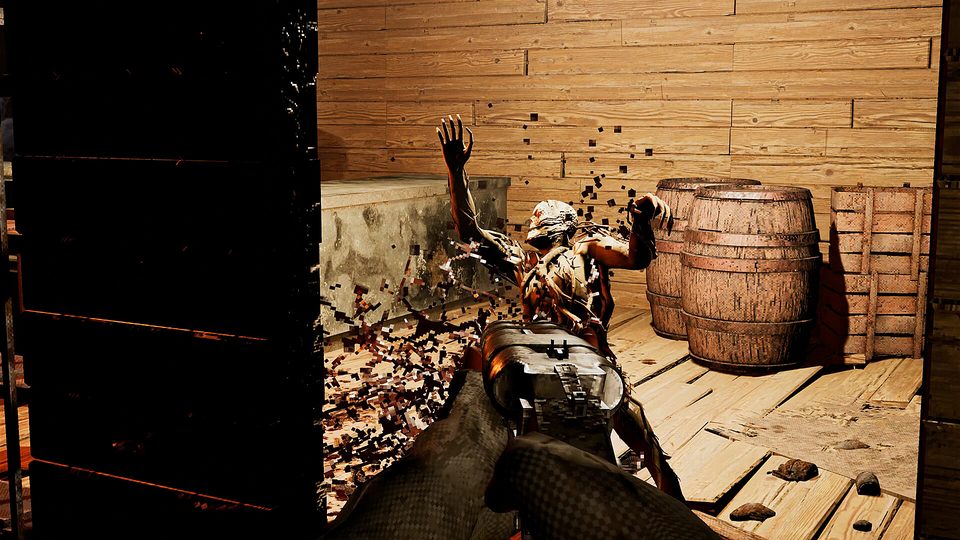
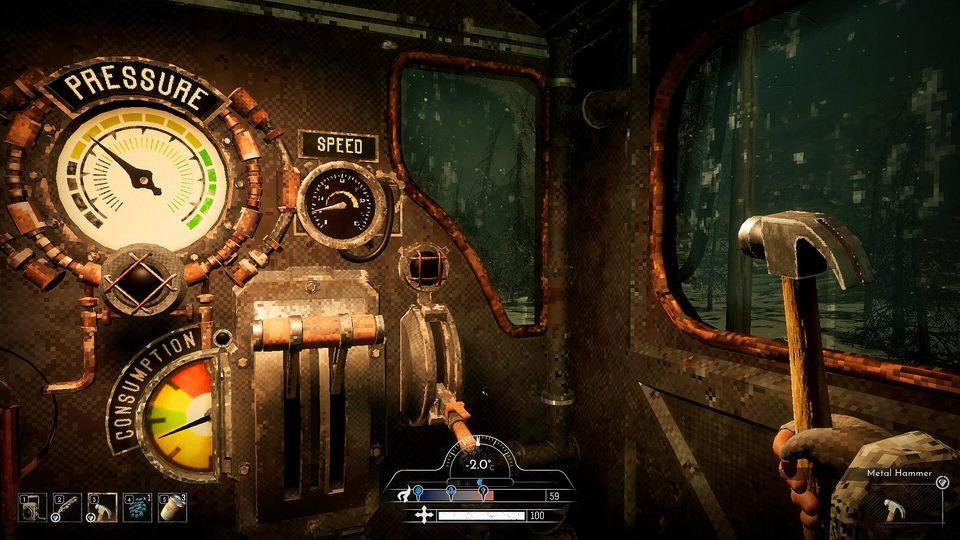
Scavenge settlements, wreckage and basements for wood, metal, cloth, food and fuel, then craft aboard the train: storage first, then a crafting station, then an Assembly Station so you can attach parts like a rifle stock. Station access is the real progression gate.
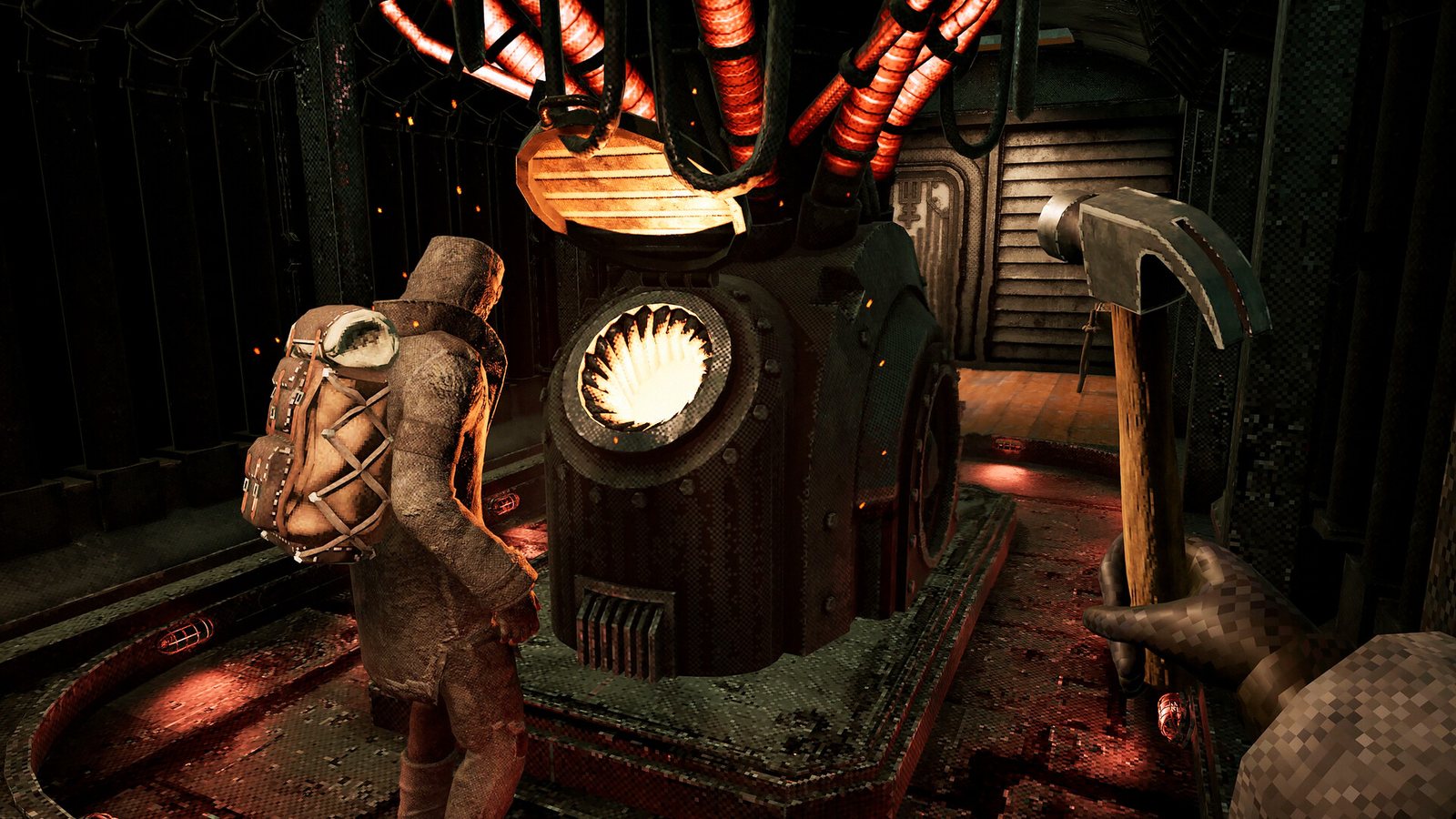
Scavenging is how you get everything, and crafting is how you turn it into survival. You strip abandoned settlements, wrecks and basements for materials, then convert them aboard the train into clothing, food, weapons and parts. The progression the demo pushes you through runs from bare hands to a crafted pipe rifle — and the station that lets you assemble it is the first thing most players build.
What you are looking for
The wasteland trades in a small number of material families, and every one of them feeds either the train or your body:
| Material family | Comes from | Goes into |
|---|---|---|
| Wood and scrap | Settlements, furniture, wreckage | Fuel, repairs, weapon parts, station construction |
| Metal parts | Industrial ruins, machinery, wrecks | Weapons, tools, train reinforcement |
| Cloth and leather | Clothing, upholstery, hunted animals | Clothing, insulation, cold resistance |
| Food | Kitchens, storage, hunting | Meals that restore condition |
| Fuel | Stockpiles, depots | The Eden Engine |
Hunting is a legitimate supply line. One official screenshot shows a deer being harvested into meat and leather — which is food and cold resistance from the same trip, and usually a better return than fighting a Revenant for scrap.
The stations, and what each unlocks
Crafting is station-gated rather than menu-gated: you build a station aboard the train, and the station unlocks its recipes. The demo confirms several:
- Crafting station — the baseline; gear, clothing and food.
- Assembly Station — the one that lets you attach parts to what you have made. This is the answer to the Steam thread "Pipe Rifle + Stock": you craft both, and you cannot join them until the Assembly Station exists as a build option.
- Repair workstations — added in the Spring 2026 update, replacing a simpler repair system so that maintaining gear is a deliberate act at a dedicated bench.
- Weapon stations — built so the train can fight while you are aboard or away.
There is a logic worth internalising here: the train is where capability lives. A player with pockets full of scrap and no stations can make nothing, which is why the first upgrade priority is stations, not armour.
Dismantling
The demo's patch list mentions sounds added during dismantling and when the process completes, which confirms dismantling as a real mechanic rather than a hidden one. The practical use is obvious and important: things you cannot carry are still worth carrying.
- Dismantle bulky loot on site into lighter components rather than hauling whole objects back.
- Dismantle duplicate clothing into cloth for insulation.
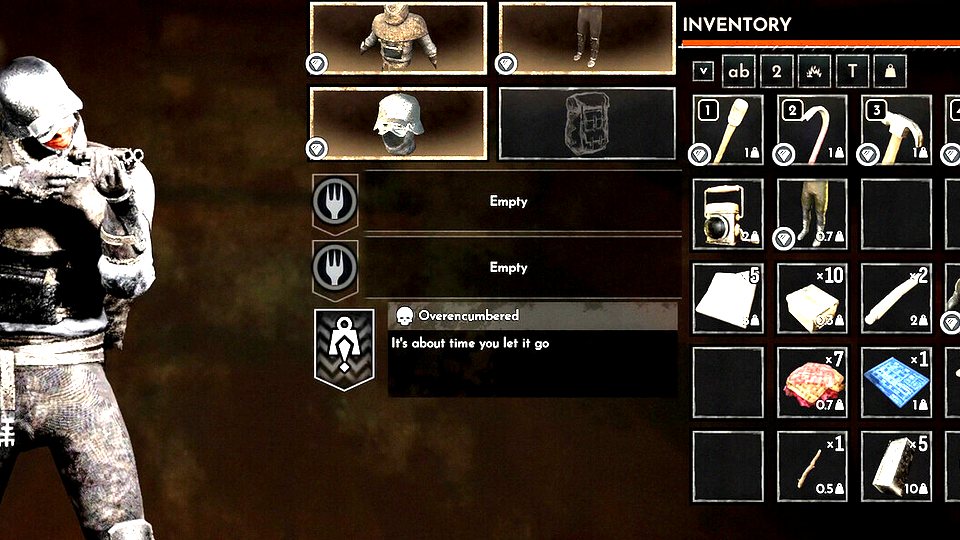
- Remember the inventory cap — dismantling is how you avoid being Overencumbered halfway home.
Weapons: what the demo shows
The demo's combat is built around improvised firearms and melee. The pipe rifle is the weapon the tutorial progression pushes you toward, and the stock is a separate part you craft and attach — the step that requires the Assembly Station. Melee has been a focus of 2026 development: better hit feedback, blood splatter, stamina rebalancing and idle animations are all in the demo's change list.
What this site will not do is publish a weapon ranking. The demo is a three-area slice of an unfinished build, the studio is still adjusting stamina and melee feel, and any "best gun" list produced from it would be a guess. When Early Access adds the full equipment range and enough players to measure against, that becomes a real question.
Scavenging routes that pay
Three patterns worth knowing before you loot your second settlement:
- Basements first. The demo's objective chain routinely points below ground, and the underground rooms hold the materials that matter. Loot them before you trip any state change in the area.
- Kitchens and storage. Food is the cheapest way to keep a run going, and it weighs little.
- Wreckage. Derailed carriages and lost freight are where industrial material comes from, and they are usually on the way rather than out of it.
The counterweight to all of this is warmth. Every building is a decision about how much of the walk home you are willing to spend, and the answer is rarely "one more".
Related pages
- Survival systems — warmth, stamina and why looting has a time cost.
- The train — where the stations get built and what they need.
- Enemies and threats — what is usually standing between you and the basement.
- Map and locations — the three demo areas and what each one holds.